The Importance of Complying With Construction Waste Regulations
In the construction industry, understanding and complying with waste handling regulations is vital. These rules are set to ensure that waste is managed safely and efficiently, minimizing environmental harm. Companies must be aware of these regulations to avoid legal issues and fines. Staying informed about current guidelines helps in efficient planning and execution of projects. This article explores different aspects of these regulations and their impact on construction projects.
Benefits of Effective Waste Management in Construction
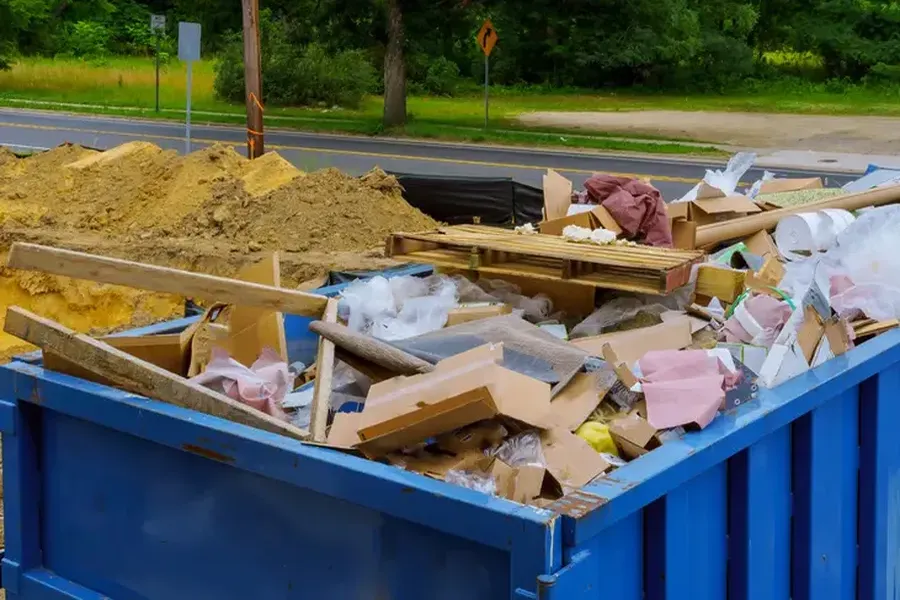
Efficient waste management brings numerous benefits to construction projects. It helps reduce costs by minimizing waste and optimizing material usage. Proper waste disposal also enhances safety on-site by reducing hazards related to debris. Furthermore, adhering to regulations boosts the company’s reputation as environmentally responsible. These practices not only protect the environment but also contribute to sustainable building processes.
Common Challenges in Handling Construction Waste
Managing construction waste presents several challenges. One major issue is ensuring compliance with varying regional laws and standards. Another challenge involves sorting and recycling materials, which can be time-consuming. Additionally, improper handling of hazardous materials poses risks to both workers and the environment. Understanding and overcoming these challenges are crucial for successful project completion.
Steps for Ensuring Compliance With Waste Regulations
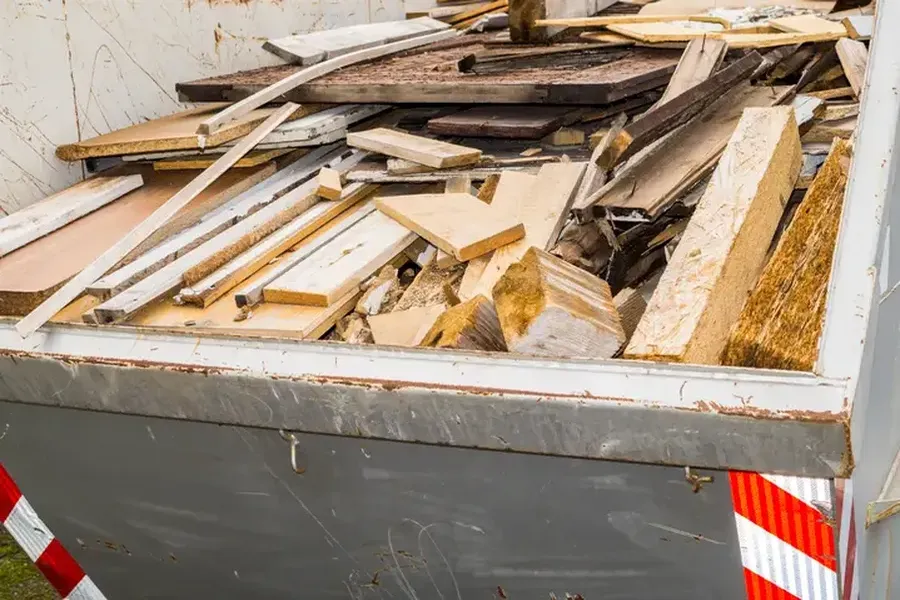
To comply with waste handling regulations, follow these steps:
- Identify applicable local and federal regulations for your project.
- Implement a waste management plan that outlines procedures for sorting and recycling.
- Train staff regularly on proper waste disposal methods and safety protocols.
By following these steps, companies can maintain compliance and ensure safe, efficient operations.
Best Practices for Waste Reduction in Construction
Implementing best practices reduces waste effectively. Use prefabricated materials where possible to minimize excess. Opt for materials that are recyclable or biodegradable. Regular audits of waste management systems help identify areas for improvement. Encouraging collaboration between contractors and suppliers can lead to innovative solutions for reducing waste.
Understanding Industry Standards for Waste Disposal
Adhering to industry standards is critical for managing construction waste responsibly. These standards dictate how to handle materials safely and sustainably. They often include guidelines for storing hazardous waste and recycling non-hazardous materials. Following these standards not only ensures regulatory compliance but also contributes to environmental preservation efforts.
Cost Factors in Construction Debris Removal
Understanding cost factors in construction debris removal is essential for budgeting effectively. Costs may vary depending on the type and volume of waste, transportation needs, and disposal fees. Reducing unnecessary expenses involves selecting efficient waste management options and negotiating service rates with providers. Investing in proper waste handling today can result in significant savings over time.
Construction Waste Management: Final Recommendations
For effective construction debris removal, consider working with experienced professionals who understand regulations thoroughly. Located in North Providence, RI, we offer tailored solutions that meet your specific needs. Contact LaFamilia Junk Removal at (401) 757-0798 for expert advice and reliable services that ensure compliance and efficiency throughout your project lifecycle.